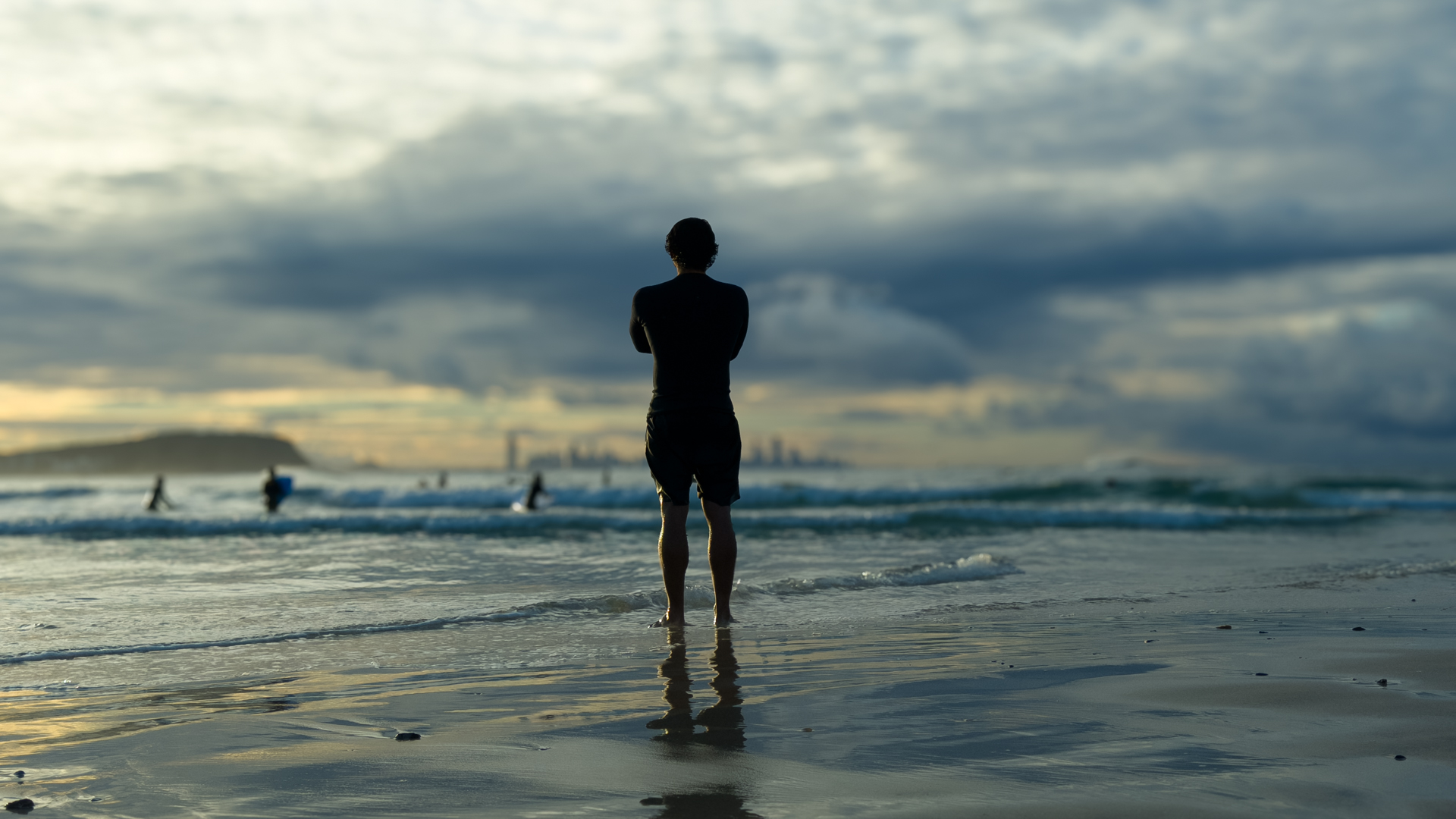
A World Surfing Reserve · Yugambeh Country
CURRUMBIN
Southern Gold Coast · Custodian-Class Living
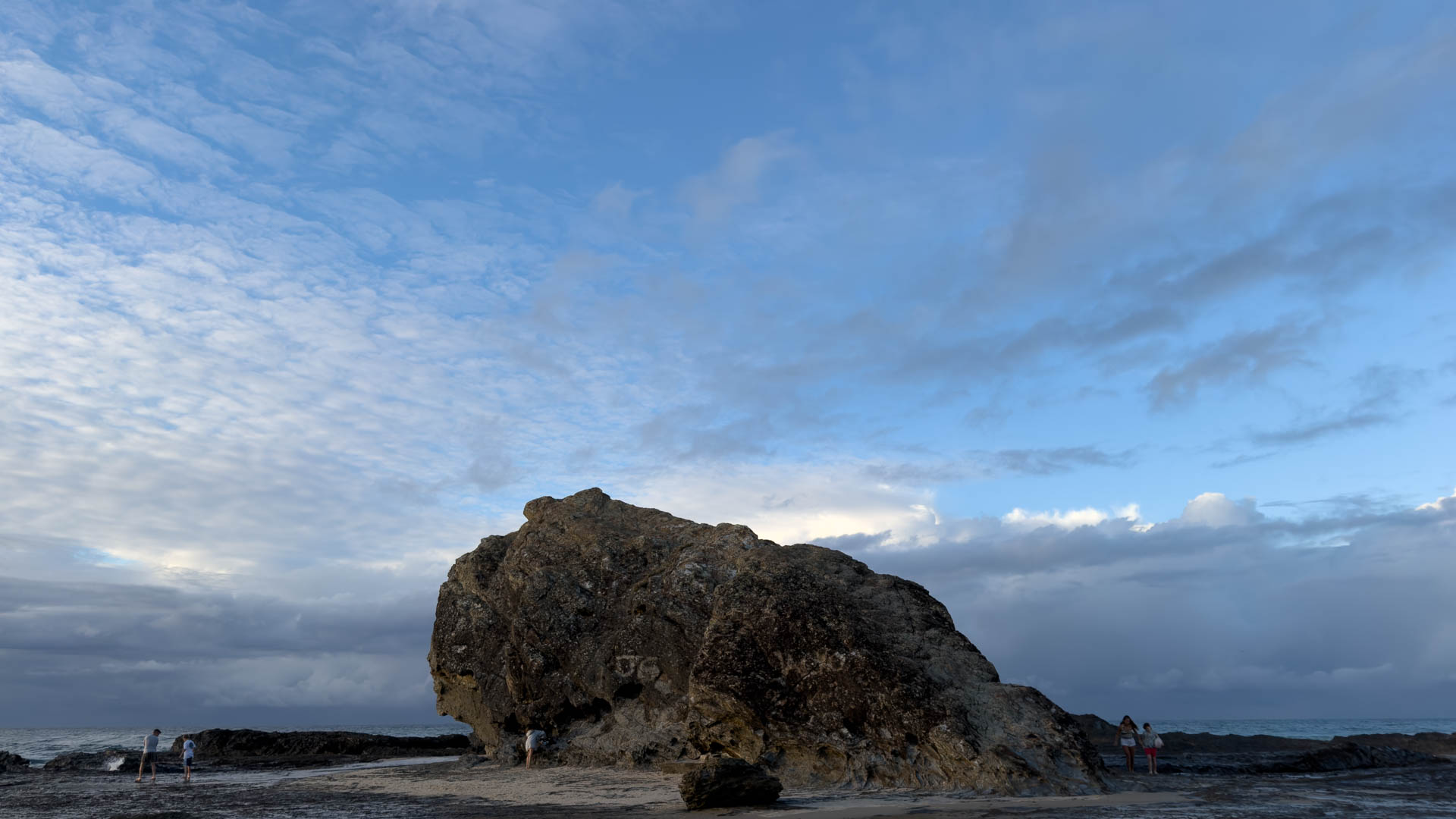
Big Rock.
Elephant Rock.
Custodian-class coastal living — with rainforest consciousness attached.
A Charted Creek,
A Settled Shore
Charted 1840 · Settled 1860s
The Long Memory
of the Point
Surveyor Robert Dixon charted Currumbin Creek in 1840.
Settlement followed in the late 1860s — cedar first, then dairy and bananas on the rich creek flats.
The Nerang–Tweed Heads railway arrived in 1903, and the first holiday-makers came with it — for the surf, the creek fishing, the oystering.
The first hotel rose in 1910, above the creek mouth. The road bridge crossed in 1927.
Most of the old houses date from the 1920s subdivisions. The classic fibro beach shacks are still here.
One of Australia's
Great Teaching Beaches
The Alley · A World Surfing Reserve
Split-Personality
Water
Currumbin Alley is a right-hand point break over a sandy bottom — and one of Australia's great teaching beaches.
Gentle, forgiving water inside, toward the creek. For beginners, longboarders, bodysurfers.
A proper point wave on the outside. For the advanced.
The Currumbin Alley Surf School has run since 1993 — founded by Tracey Chilcott, now her son Sam, with Wade Brenchley as head coach.
Thirty-plus years. One family. One location.
ANZAC services, where your tears mix with the rain — on the day we stop to remember the sacrifices made, so we can live in this beautiful place. Currumbin · Elephant Rock
Currumbin · Southern Gold Coast
Lorikeets Changed
Everything
The Wildlife Sanctuary · Heritage-Listed
A Flower Grower
and His Birds
It began in 1947, when beekeeper and flower-grower Alex Griffiths started feeding the lorikeets raiding his blooms.
Honey-soaked bread, to lure them off his blooms. More birds came. Then the crowds came to watch them.
It grew into the Gold Coast's best-known attraction — and onto the Queensland Heritage Register in 2009.
Twenty-seven hectares of rainforest. The largest walk-through aviary in the Southern Hemisphere. A working wildlife hospital.
From a Backyard
to a World First
- 1947 FoundedAlex Griffiths opens a lorikeet-feeding display — the start of nature-based tourism in Queensland.
- 1964 The Miniature RailwayIntroduced to carry visitors through the grounds. It still runs today.
- 1989 The Wildlife HospitalA free wildlife rehabilitation service opens, caring for sick and injured native animals.
- 2009 Queensland Heritage RegisterListed for its historical and cultural significance to the state.
- 2017 The Lost ValleyA five-hectare precinct opens — a tribute to Gondwana, with more than 8,000 trees and shrubs.
- 2020 A World FirstThe critically endangered Kroombit tinker frog is bred in captivity for the first time ever — when fewer than 200 remained in the wild.
The Creek Runs
to Rainforest
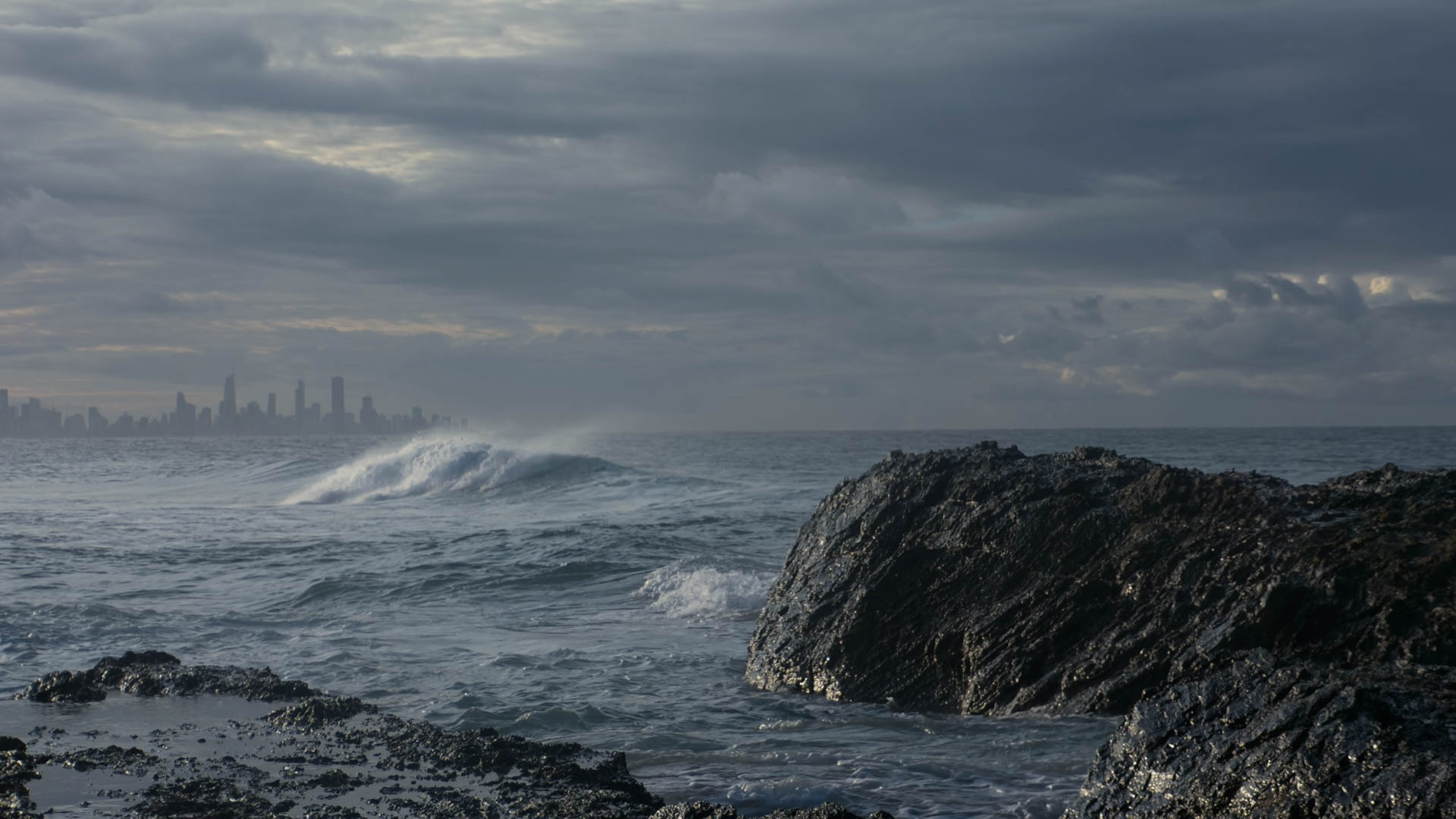
Springbrook · World Heritage
Coast on One Side,
Forest on the Other
Currumbin Creek runs 24 kilometres from the ancient forests of Springbrook — part of the Gondwana Rainforests of Australia World Heritage Area.
The estuary breathes with the tide. The sand it gives up nourishes southern Palm Beach.
Nearby Nicoll Scrub is a rare rainforest remnant — home to the vulnerable Richmond Birdwing Butterfly.
Up the valley, the award-winning Ecovillage spreads across 270 acres — 147 lots, shared gardens, a community hall.
A Premium,
Owner-Occupier Market
A two-speed micro-market. Houses turn slow and deliberate — units, tight and fast. Owner-occupation sits at 67 per cent, up 5.7 points since 2016.
Market figures early 2026 · community figures 2021 Census. 46 houses sold over the year. Long-run growth has been strong, but prices have eased back from the peak — vendor discounting around −6.3% — in a disciplined, owner-occupier market that turns slowly by design.
Currumbin,
Frame by Frame
LOW TIDE
Burleigh Heads → Byron Bay · A Currumbin Specialist
Talk to Scott
Wagner
Over 30 years on this coastline. Over 400 beachfront and beachside sales, and counting. If Currumbin is where you want to be, the next conversation is the place to start.